Vertical Shelving Systems: From Floor to Ceiling
Walls are your best friend in a small Latvian apartment. Instead of fighting for floor space, we'll show you how to use every inch of vertical real estate with floating shelves, wall-mounted units, and open shelving systems that actually work.
Why Go Vertical? The Basics
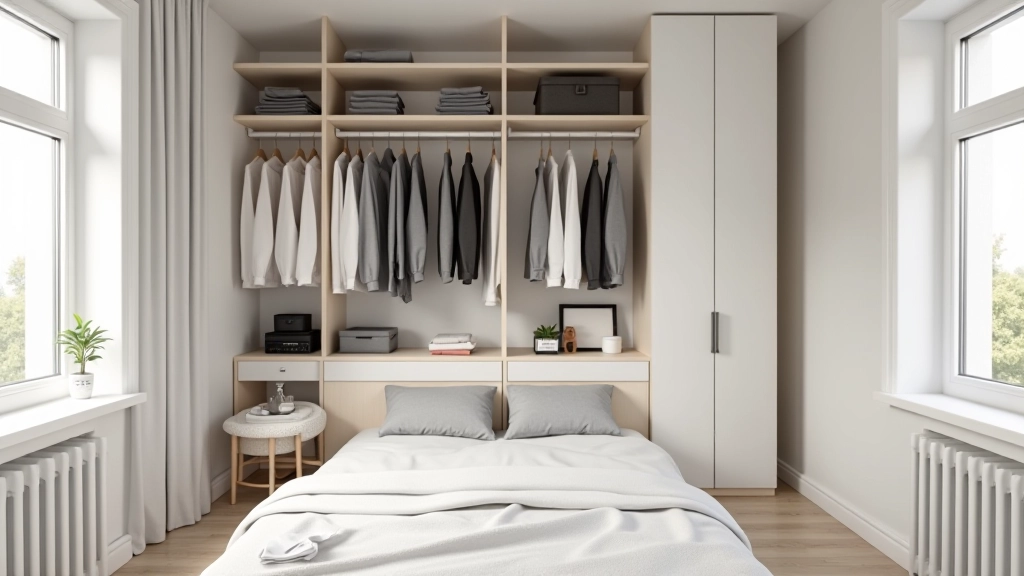
Here's the thing about compact apartments in Riga, Daugavpils, or any Latvian city — you don't have room to sprawl outward. But you do have walls. Lots of them. Vertical shelving isn't just trendy; it's practical. You're not losing any floor space, you're gaining storage where nothing existed before.
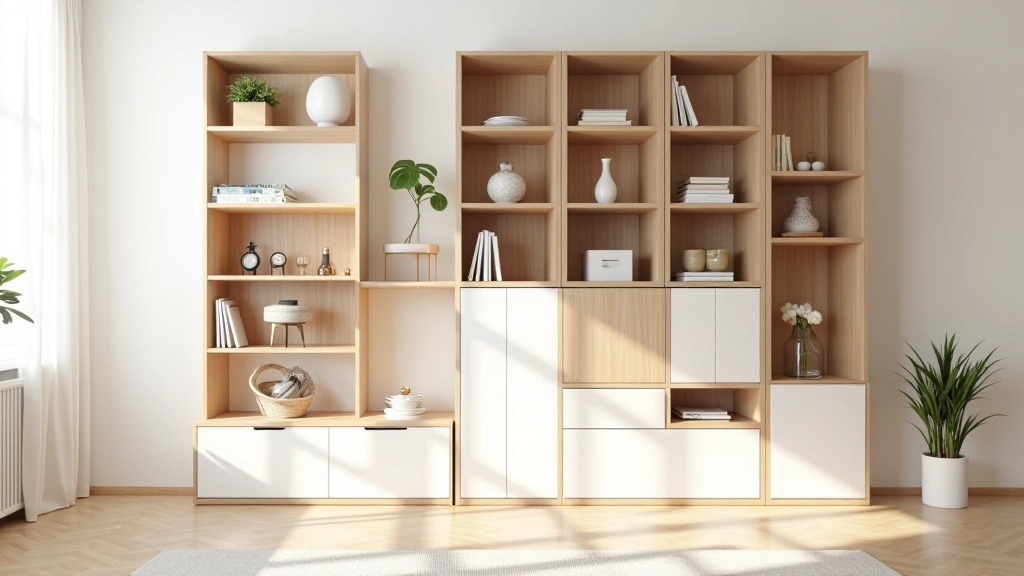
The difference between a cluttered apartment and an organized one often comes down to one decision: use your walls. Floating shelves, wall-mounted cabinets, and open shelving systems can hold books, plants, dishes, linens, and decorative items. We've worked with hundreds of apartments, and the ones that feel roomier always have smart vertical storage.
Key insight: Most apartments waste 60-70% of their wall space. A single wall can hold 8-12 shelves depending on height and configuration. That's the difference between chaos and calm.
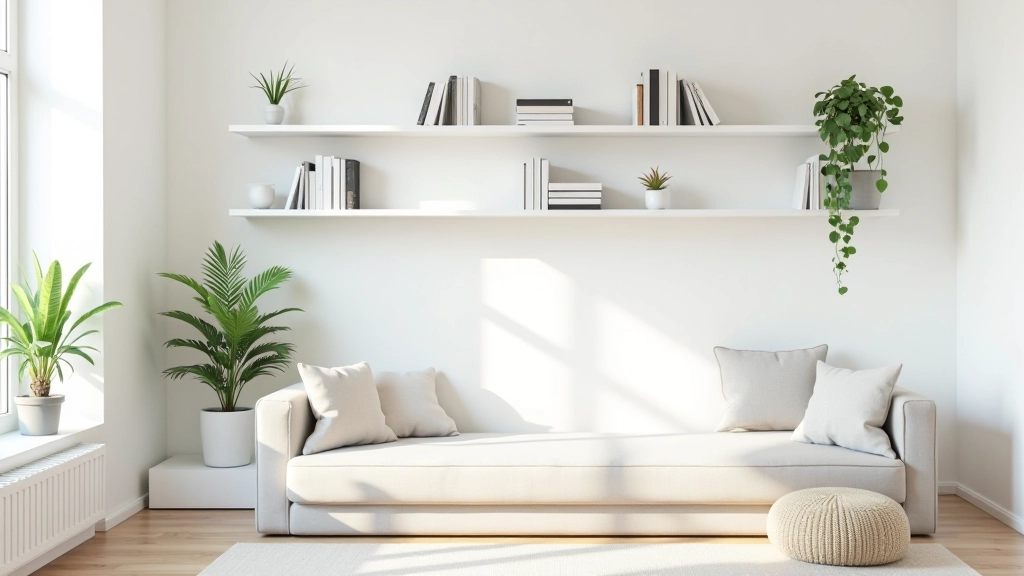
Four Main Vertical Shelving Types
Floating Shelves
Wall-mounted shelves with hidden brackets. They're sleek, they look minimal, and they work for almost any wall. Most support 10-25 kg per shelf depending on the wall type and bracket quality.
Wall-Mounted Cabinets
Closed storage with doors. Perfect for things you don't want visible — cleaning supplies, medications, winter clothes. They come in tons of sizes and materials.
Open Shelving Systems
Modular units that go from floor to ceiling. You can customize them as you go, adding shelves and sections as needed. Great for kitchens and living areas.
Ladder Shelving
Leaning shelves that don't require wall drilling. Useful for renters or temporary setups. They're not as sturdy as mounted options but they work for lighter items.
How to Plan Your Vertical System
1
Measure Your Wall
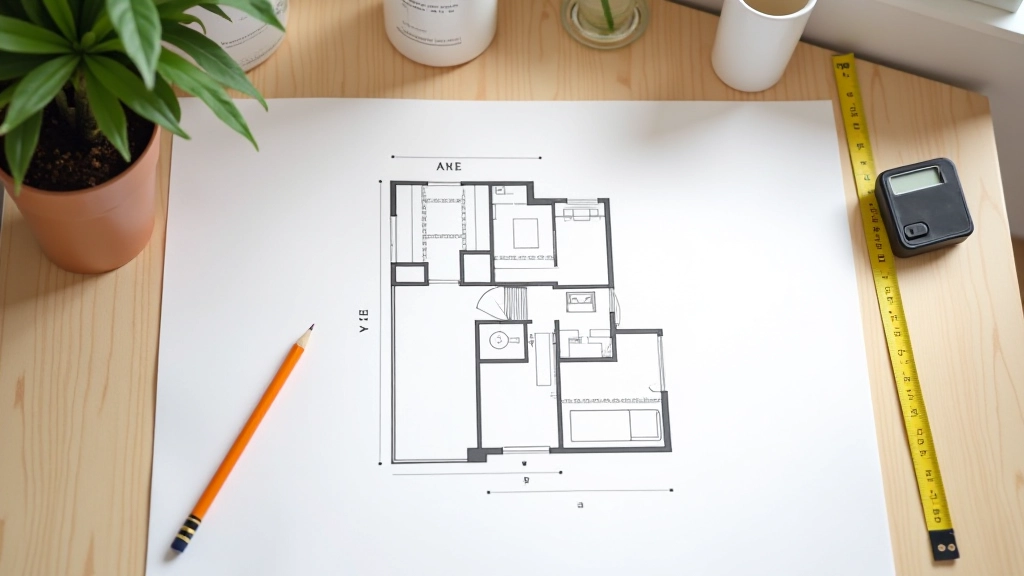
Height, width, and where electrical outlets are. You can't put shelves over outlets, so knowing their location matters. Measure in centimeters — precision helps when you're ordering.
2
Decide What You're Storing
Heavy books need stronger shelves (maybe 15 cm deep). Lightweight decorative items? 20-25 cm works fine. What you're storing determines the shelf depth and spacing.
3
Choose Your Material
Wood is warm and traditional. Metal is modern. Glass looks airy. MDF is budget-friendly. Pick what matches your apartment's vibe and your durability needs.
4
Plan the Spacing
Leave 25-30 cm between shelves for most items. Tighter spacing (15-20 cm) for books. Wider gaps (35-40 cm) for larger decorative pieces. Sketch it out before drilling.
Making Shelves Look Good (Not Just Functional)
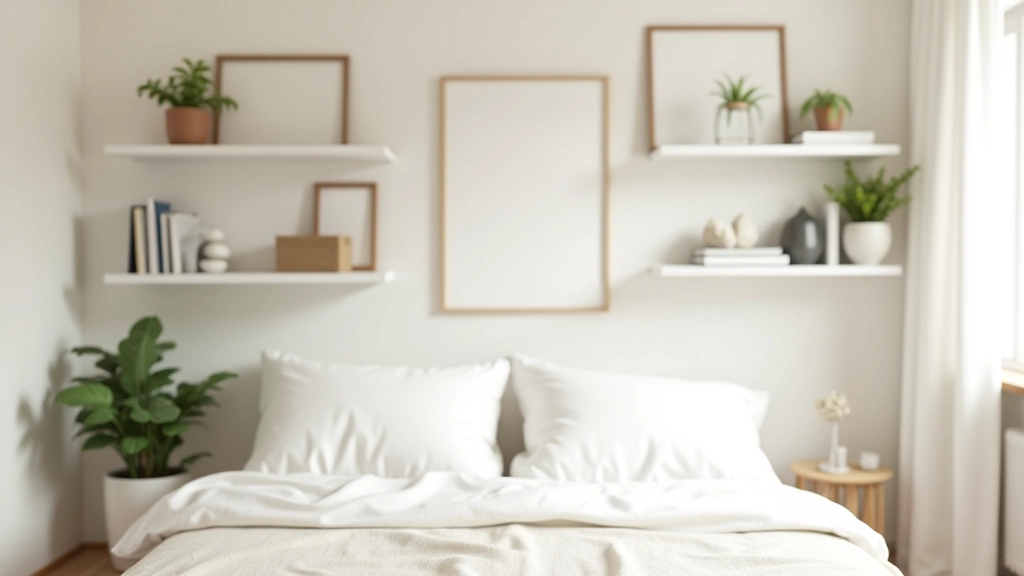
A shelf full of random stuff looks chaotic. A shelf that's thoughtfully styled looks intentional. Here's what actually works:
The 60-30-10 rule: Fill 60% with practical items (books, containers), 30% with decorative pieces (plants, frames), and leave 10% empty. That empty space is what makes shelves feel breathable, not crowded.
Practical tip: Group items by color or size. Three green plants scattered across shelves look random. Three green plants clustered together look intentional. Same with book stacks — stack them horizontally in groups of 3-5.
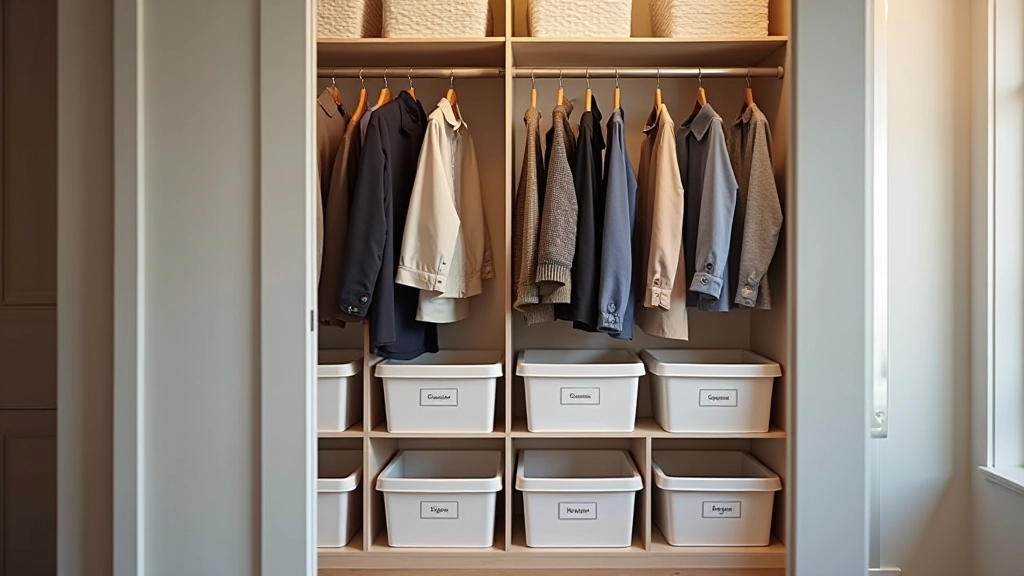
Use baskets or small boxes to contain smaller items. They hide clutter while looking organized. Label them if you want, or keep it minimal. And rotate decorative items seasonally — swap out frames or plants every 2-3 months to keep things fresh.

The Bottom Line
Vertical shelving transforms apartments. You're not just gaining storage — you're gaining breathing room. That open floor space feels bigger. Your belongings are organized and visible. And when you take time to style them thoughtfully, shelves become part of your apartment's design, not just functional necessities.
Start with one wall. Measure it properly, pick your shelves, install them carefully, and style them with intention. Once you see how much space you've gained and how much better everything looks, you'll understand why vertical storage is the secret weapon for small apartments.
Ready to Maximize Your Walls?
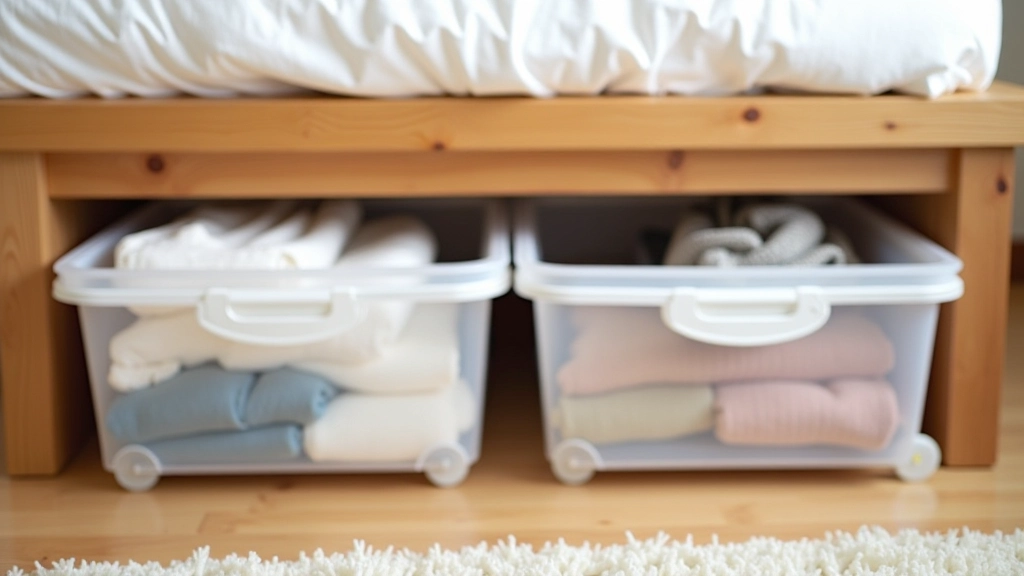
Explore more storage solutions for your Latvian home. Learn about under-bed storage, modular furniture, and seasonal rotation systems.
Browse All Storage GuidesDisclaimer
This article provides educational information about vertical shelving systems for home storage. The suggestions and recommendations are based on general design principles and common practices. Installation requirements vary depending on your specific wall type (drywall, brick, concrete), building construction, and local building codes. Always consult with a qualified contractor or structural engineer before installing heavy shelving systems, especially in rental properties where landlord permission may be required. The weight capacity information provided is general guidance — actual capacity depends on bracket quality, wall condition, and installation method. We recommend testing weight limits carefully before fully loading shelves.
Explore More Storage Solutions