Under-Bed Storage Solutions That Actually Work
Rolling containers, flat organizers, and vacuum bags — we'll compare your options and show you how to maximize this often-forgotten space. It's easier than you think to transform the area beneath your bed into serious storage real estate.
Why Under-Bed Storage Matters
Let's be honest — most Latvian bedrooms aren't huge. That empty space under your bed is prime real estate that most people completely ignore. You'll find that this zone can hold anywhere from 40 to 80 liters of stuff depending on your bed height, and it's the perfect spot for items you don't need every day.
The key is choosing the right containers. Not all storage solutions work equally well in tight spaces. You need something that fits smoothly, stays organized, and actually lets you access what's inside without destroying your back.
40-80L
Typical capacity per bed
3
Main container types
60%
Space efficiency gain
The Three Container Types That Work
You've got three solid options, and honestly, the best choice depends on what you're storing and how often you need to access it. Rolling containers work great if you're pulling things in and out regularly. Flat organizers are perfect for off-season items you won't touch for months. And vacuum bags? They're brilliant for seasonal clothes but they're a pain if you need quick access.
Rolling Containers
Wheeled drawers that slide easily. Best for items you access 2-3 times per month.
Flat Storage Boxes
Stackable plastic or wood boxes. Ideal for seasonal storage that stays put.
Vacuum Seal Bags
Compression storage for off-season clothing. Reduces volume by 50-70%.
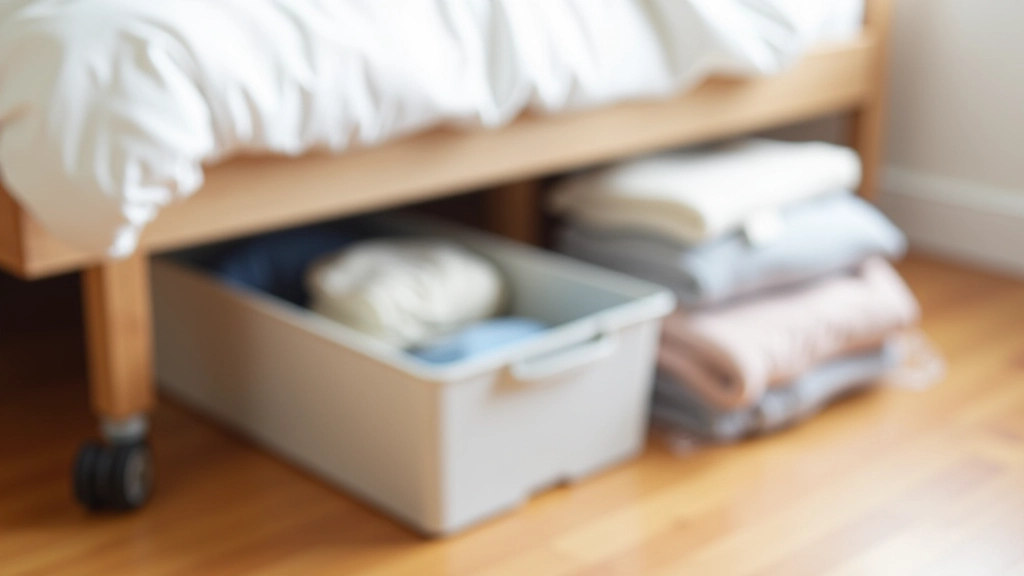

Rolling Containers: Easy Access Wins
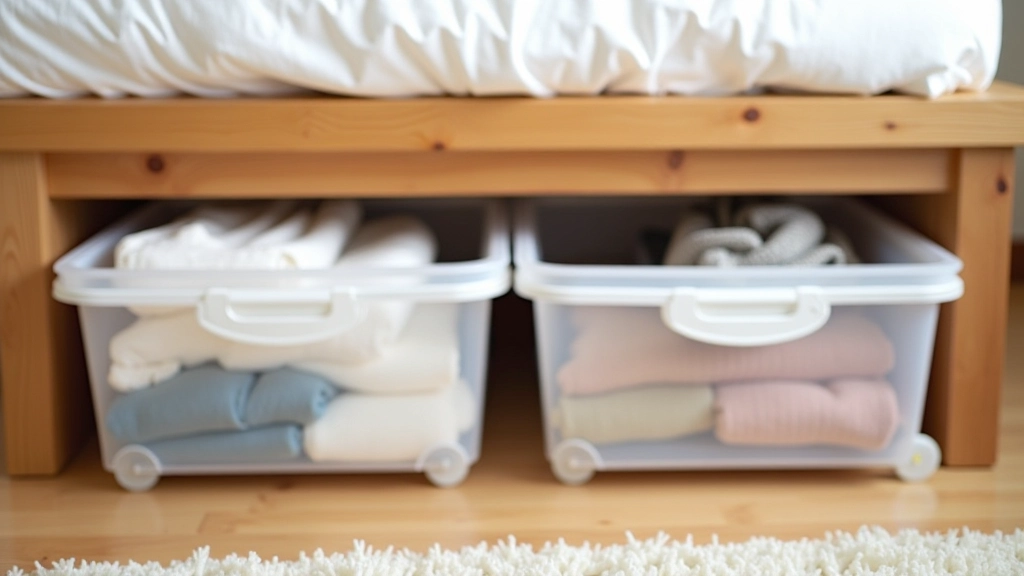
Rolling drawers are your best friend if you actually use what you're storing. They glide smoothly on wooden or laminate floors, and you don't need to crawl under the bed to grab something. Most wheeled containers are 10-12 cm tall, which fits under most standard bed frames with a few centimeters to spare.
Here's what we recommend: get containers with smooth ball-bearing wheels, not cheap plastic rollers. The difference is noticeable. You'll want transparent sides so you can see what's inside without opening them. And pro tip — measure your bed clearance first. If your bed sits only 20 cm high, you're limited to flatter options.
Ball-bearing wheels for smooth rolling
Transparent plastic for visibility
Handles that won't break off
Maximum height: 12 cm for standard beds
Flat Storage Boxes: Set It and Forget It
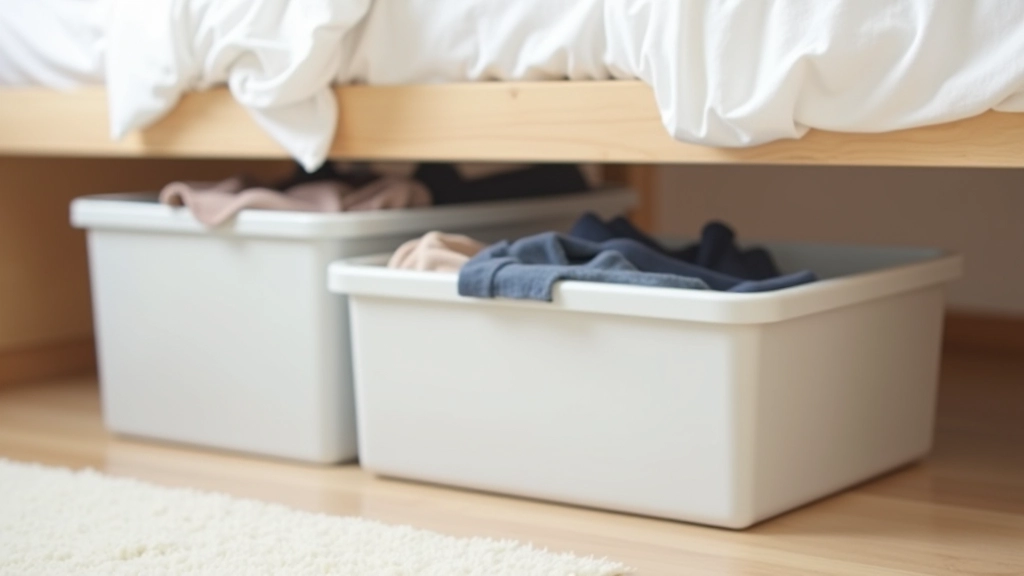
If you're storing off-season items — winter coats in summer, holiday decorations, extra bedding — flat boxes are your answer. They're usually made of reinforced plastic or cardboard, and they stack well. You won't need to access them frequently, so the lack of wheels isn't a problem.
Plastic boxes last longer than cardboard, but they're pricier. Cardboard boxes cost half as much and work fine if you keep them dry. Label everything clearly on the outside — don't rely on memory. We've all forgotten what's in "Box 3" after six months. Use a label maker or waterproof tape. And don't overstuff them. A box that's too heavy won't slide easily, and you might damage the bottom.
Quick measurement tip: Most beds have 20-30 cm of clearance. Flat boxes are usually 15-20 cm tall, so you can stack two boxes if your space allows. Measure before buying.
Important: This guide is informational only and based on common storage practices for Latvian homes. Every bedroom layout is different. Always measure your bed clearance and floor space before purchasing containers. Ensure containers don't obstruct air circulation under the bed, which can affect mattress longevity.
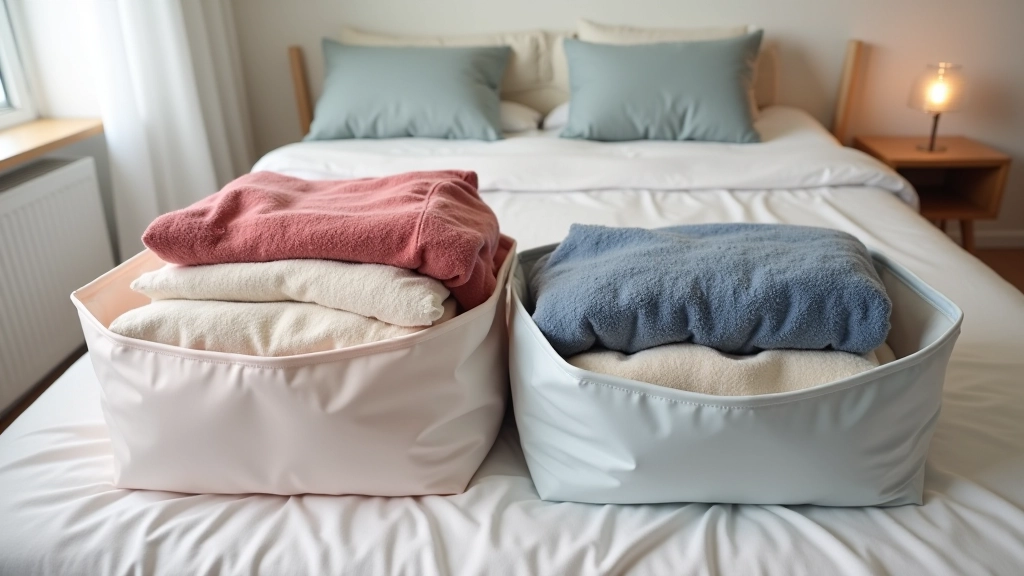
Vacuum Seal Bags: Maximum Compression
Vacuum bags are champions of space efficiency. A large winter coat takes up maybe 8 liters normally, but vacuum-sealed? It's down to 2-3 liters. You're getting 60-70% volume reduction, which means you can fit significantly more stuff under your bed. But there's a trade-off: they're annoying to use if you need frequent access.
The process is straightforward. You fill the bag, zip it closed, then use a vacuum to suck out the air. Most bags come with a small hand pump if you don't have a vacuum handy. The bags stay compressed for months as long as they don't get punctured. One thing to watch: don't store them in damp environments. If moisture gets in, clothes can develop mold or mildew. Your bedroom's humidity level matters here.
1
Fill bag with clean, dry clothing
2
Zip seal closed securely
3
Vacuum air through the valve
4
Seal valve when complete
Setting Up Your Under-Bed Storage System
Step 1: Measure Everything
Measure the space under your bed — length, width, and height clearance. Don't guess. A 5 cm difference between expected and actual height means the difference between a solution that works and one that doesn't. Write down your measurements and bring them when shopping.
Step 2: Clean the Space
Vacuum under the bed thoroughly. Dust and debris will get on your stored items otherwise. If the floor is damp, let it dry completely. You don't want moisture trapped under containers for months.
Step 3: Arrange Strategically
Put items you access more frequently toward the foot of the bed. Items you rarely need can go toward the head where they're harder to reach. This arrangement saves you time and frustration.
Step 4: Label Clearly
Write what's inside each container. Be specific — "winter clothes" is vague, but "winter coats and heavy sweaters" tells you exactly what you're grabbing. You'll thank yourself in six months.
Step 5: Leave Air Space
Don't cram containers so tightly that they block air circulation completely. Your mattress needs to breathe. Leave at least 2-3 cm of space around containers for proper ventilation.
Step 6: Check Accessibility
After setting everything up, actually try pulling out a container. Make sure nothing gets stuck. The last thing you want is to discover a problem when you really need something from under there.
The Bottom Line
Under-bed storage doesn't have to be complicated. Choose containers that match how you actually use them. Rolling drawers for frequent access, flat boxes for seasonal items, vacuum bags for maximum compression. Measure first, label everything, and don't block air circulation. That's it.
You'll be surprised how much space you've been wasting. Most people find they can store 3-4 months worth of off-season items under their bed once they get organized. It's not glamorous, but it works — and that's what matters.
Related Storage Solutions