

songbit.org Logo songbit.org Get in Touch
Get in Touch

Seasonal Rotation: Keep Only What You Need

9 min read Beginner April 2026

Seasonal rotation isn't about fancy systems. It's about making space work harder by storing only what you actually use. We'll walk you through a practical strategy that saves time, reduces clutter, and keeps your home organized year-round.

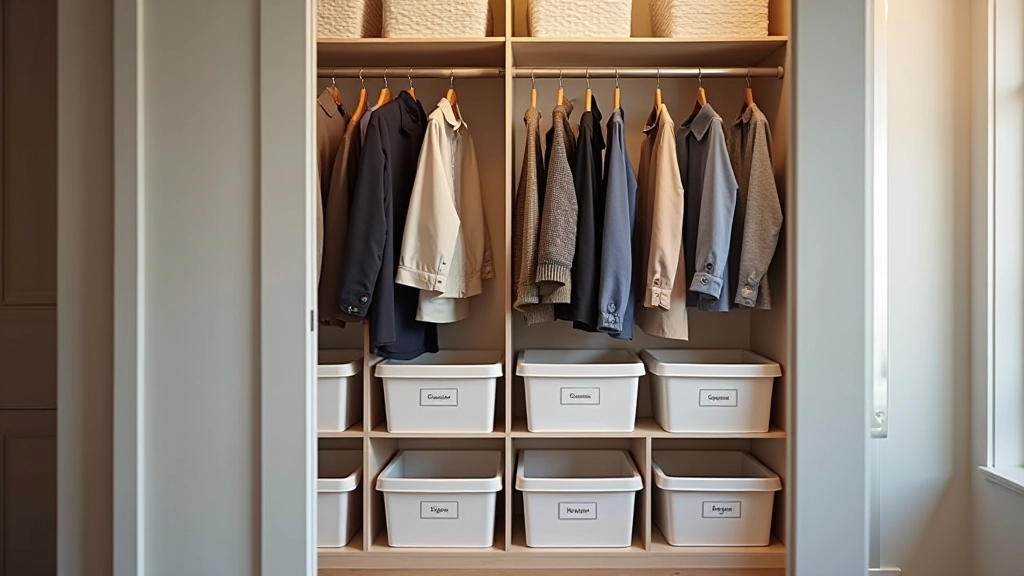
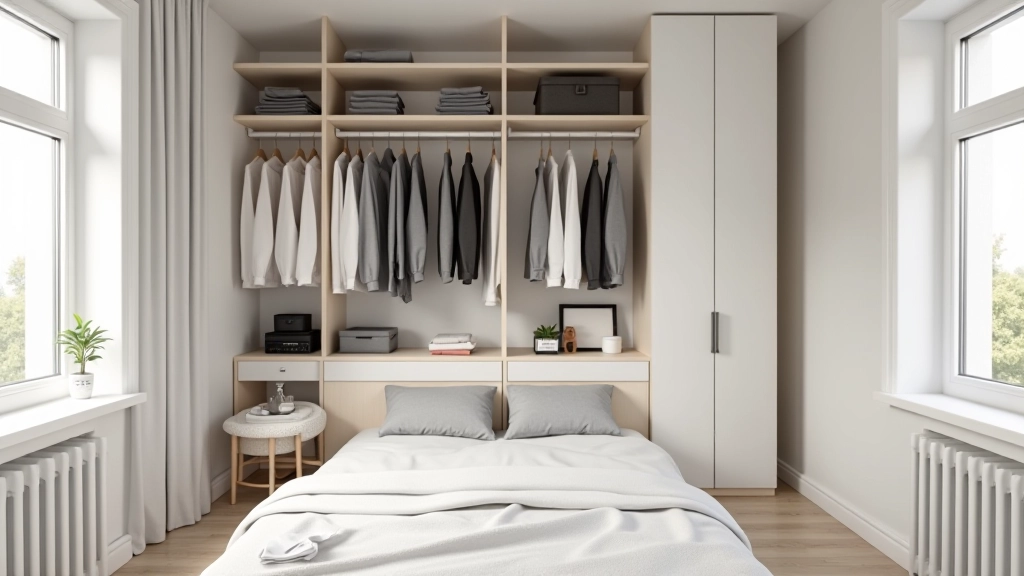
Seasonal storage rotation system showing labeled bins and organized closet space with winter and summer items separated

Why Seasonal Rotation Works

You've probably noticed how Latvian apartments aren't known for their space. We're dealing with compact rooms, limited closets, and storage that fills up faster than you'd expect. That's where seasonal rotation becomes genuinely useful.

The basic idea: you're not getting rid of things you love. You're just moving winter coats, holiday decorations, and summer clothes out of the way when you're not using them. What you'll find is that your active closet suddenly feels bigger, your shelves aren't overflowing, and you can actually find things without digging through piles.

Most people try complicated color-coding systems or special organizers. But the real trick is simpler. It's about being honest about what you actually wear, having a clear storage spot for seasonal items, and rotating on a schedule that matches your climate. Nothing complicated—just practical.

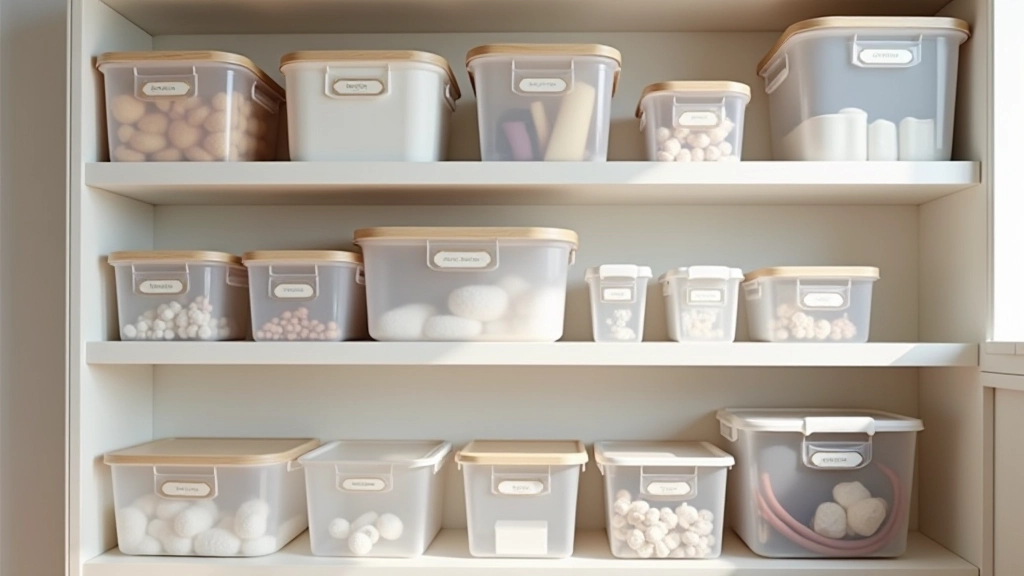
Organized storage shelves with labeled seasonal storage containers and vacuum-sealed bags neatly stacked

The Three-Step Rotation System

1

Assess What You Actually Have

Before you move anything, spend a day pulling out everything from your closet, storage boxes, and that corner you've been avoiding. Lay it all out. It sounds tedious, but you'll see patterns immediately—duplicate items, things that don't fit, pieces you haven't worn in three years.

Be realistic. Winter in Latvia means you need proper coats, sweaters, and boots. Summer means lighter clothes but maybe less than you think. Keep what actually works for your body and lifestyle. If those skinny jeans haven't fit in two years, they're taking up space someone else could use.

Person sorting through winter and summer clothes, separating items on bed and into organized piles
Quick tip: Use the hanger flip test. At the start of a season, flip all your hangers backward. After you wear something, hang it back normally. At the season's end, anything still flipped you didn't wear. That's your honest list.
Kristīne Ozoliņa

Kristīne Ozoliņa

Senior Storage Design Specialist

Storage design specialist with 12 years of experience optimizing compact Latvian homes through vertical shelving, modular furniture, and seasonal organization systems.

Where to Store Seasonal Items

Finding the right spot matters more than most people think. You want somewhere that's cool, dry, and doesn't shift in temperature too much. That rules out hot attics in summer and freezing balconies in winter—both damage fabrics and materials.

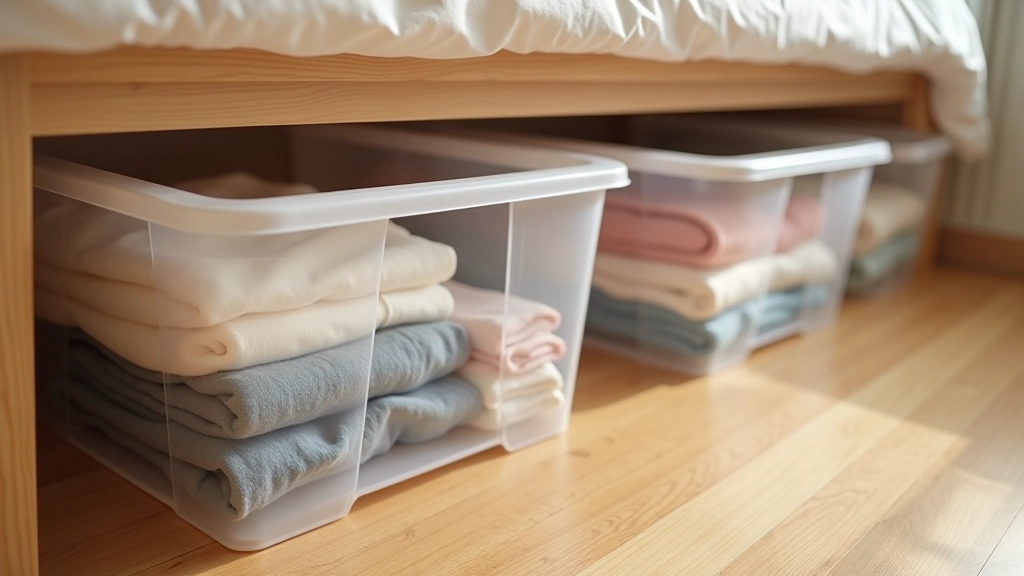
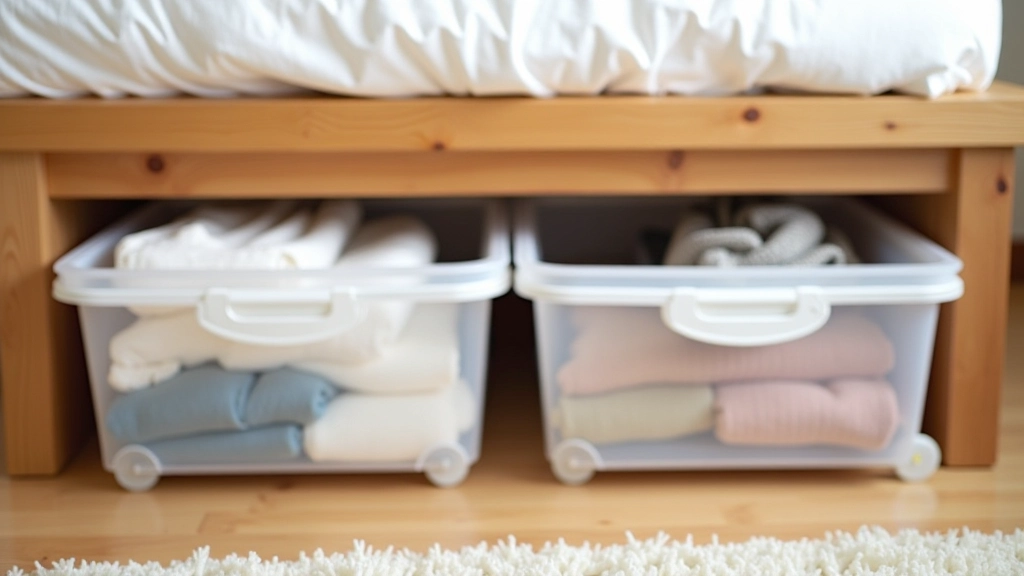
For apartments, that usually means under the bed (if you have clearance), a hallway closet, or the back of a closet that doesn't get daily use. Some people use storage units if they're really tight on space. Whatever you choose, the items need to be accessible enough that you'll actually use them next season.

Clear plastic containers beat opaque boxes. You'll know what's inside without opening everything. Label them clearly with the season and year. Add a quick inventory list on top—"winter coats, scarves, boots, gloves." It takes two minutes and saves you from opening six boxes searching for one thing.

Under-bed storage containers with clear plastic showing organized seasonal clothing and vacuum-sealed bags
Educational Note

This article provides general guidance for organizing seasonal items in your home. Storage conditions vary based on your location, climate, and available space. Proper care of fabrics and materials depends on your specific items. Consider your unique situation when implementing these strategies.

The Rotation Schedule That Sticks

Timing matters. You don't want to rotate too early or too late. In Latvia, that usually means mid-May for spring rotation (pack away winter items) and early October for fall rotation (bring out the heavier clothes). Mark these dates in your calendar now so you don't forget.

The actual rotation takes a few hours if you're organized. Pull out last season's items from storage. Check them quickly—no stains, no damage, no surprises. Put them away and bring out the current season. It's not glamorous work, but it beats spending winter in summer clothes.

Some people do a mini-rotation in March (lighter layers) and September (warmer sweaters). If your apartment is small, that can help. You're not moving everything at once—just making room for the immediate season's pieces. Whatever schedule works with your life is the right one.

Calendar with seasonal rotation dates marked, storage boxes stacked, and organized seasonal checklist

Practical Tips That Actually Work

Use Vacuum Bags for Space

Vacuum-sealed bags cut storage volume by 75%. Perfect for bulky winter coats and bedding. They're cheap, they work, and you can reuse them for years. Just keep a vacuum handy when you're rotating.

Label Everything Clearly

Don't assume you'll remember what's in that box. Write the season, year, and contents on the label. Use waterproof markers so labels don't smudge. A few seconds now saves minutes of digging later.

Check Before Storing

Don't pack away anything that's stained, torn, or damaged. Store clean items only. You'll feel better when you open the box next season, and items won't deteriorate while stored.

Mind Temperature Changes

Avoid hot attics and unheated balconies. Look for spots that stay reasonably temperature-stable. Extreme heat or cold damages fabrics, elastic, and other materials over months of storage.

Stack Smart

Don't pile boxes 10 high. Heavy containers on bottom, lighter on top. Heavier items in smaller boxes. You'll be able to move things without throwing your back out.

Protect from Moisture

Throw a desiccant pack or small container of baking soda in storage boxes to absorb moisture. It's cheap insurance against mold and musty smells when you open the box months later.

Make Space Work for You

Seasonal rotation won't solve every storage problem. But it'll genuinely change how your home feels. You're not cramming twice as many clothes into your closet. You're not digging through piles to find your winter coat in November. Things are actually where you expect them.

Start small if you're new to this. Rotate one closet first. See how it feels. Once you've done it once, the next rotation is easier. And honestly, after three months of having a functional closet with only clothes you actually wear, you won't want to go back.

The goal isn't perfection. It's having a system that works for you and your apartment—one that you'll actually stick with. That's the real win.

Ready to optimize your storage further?

Explore Vertical Shelving Systems