
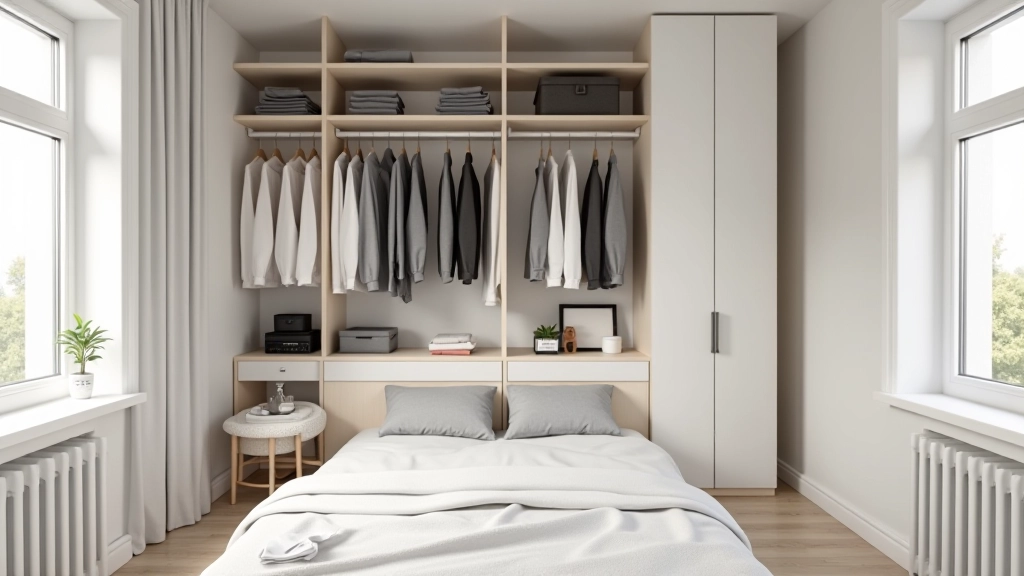
Modular Furniture: Flexibility Meets Function
Adjustable shelving units, stackable cubes, and expandable systems designed for spaces that change. Whether you're renting or just like to reimagine your room regularly, modular furniture adapts to your life.
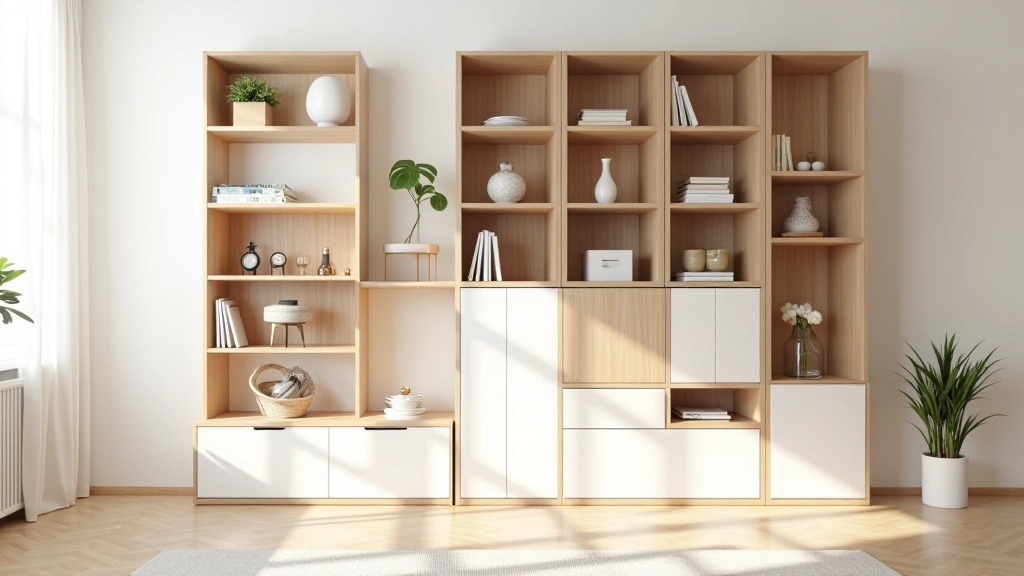
Why Modular Systems Work for Latvian Homes
Most apartments in Latvia have fixed dimensions and specific wall placements. You can't knock down walls or install permanent shelving if you're renting. That's where modular furniture becomes your best friend.
These systems aren't just temporary solutions. They're smart, flexible, and honestly, they look better than you'd expect. You can move them between rooms, reconfigure them as your needs change, and upgrade individual components without replacing everything.
No Installation Required
Set up in hours, not days. Perfect for rentals and flexible living situations.
Grow With Your Space
Add shelves, cubes, or units as your storage needs evolve.
Reconfigure Anytime
Rearrange vertically or horizontally. Adapt to new room layouts instantly.
Understanding the Core Types
When you're shopping for modular storage, you'll encounter a few main categories. Knowing the difference helps you choose what actually fits your space.
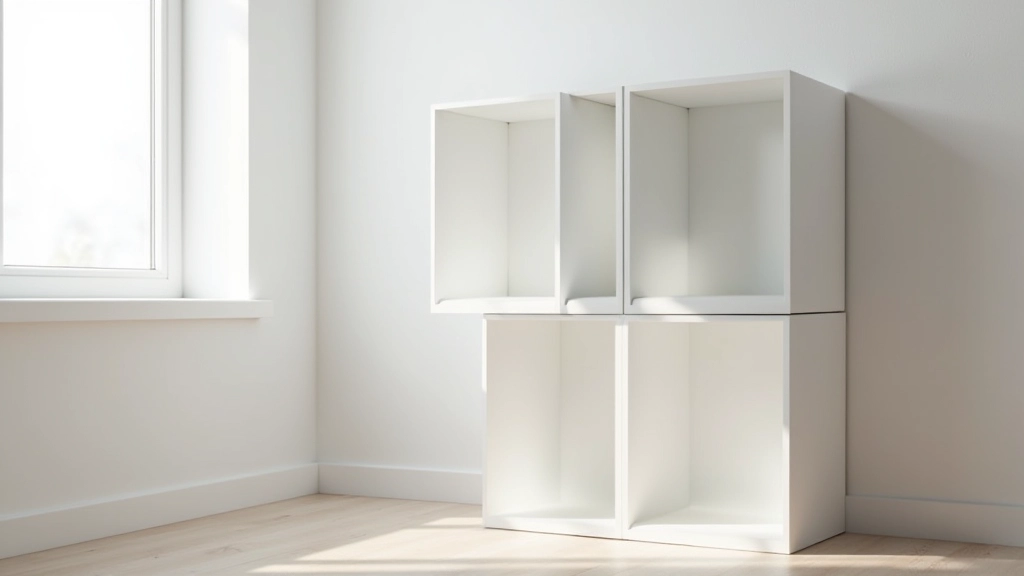
Stackable Cube Systems
These are individual cubes or rectangular units you stack and arrange however you like. Popular brands offer cubes in consistent dimensions—usually around 33×33 cm. You can arrange 4 cubes in a 2×2 grid, stack them 3 high, or create an L-shape. The flexibility is the whole point. Most are made from composite wood or plastic, so they're lightweight enough to rearrange yourself.
Adjustable Shelving Units
These units have fixed frames (usually metal or wood) with shelves that move up and down on pegs or tracks. You adjust shelf height based on what you're storing. Books need less space than folded sweaters, so this flexibility matters. A typical unit might be 90 cm wide and 180 cm tall, but sizes vary widely.
Important: Assembly & Safety
While modular systems don't require permanent installation, they do need proper assembly. Follow manufacturer instructions carefully, especially for tall units. Anchor heavy stacked units to walls if they exceed 150 cm in height—this prevents tipping. If you're uncertain about weight limits or assembly, consult the manual or contact the retailer.
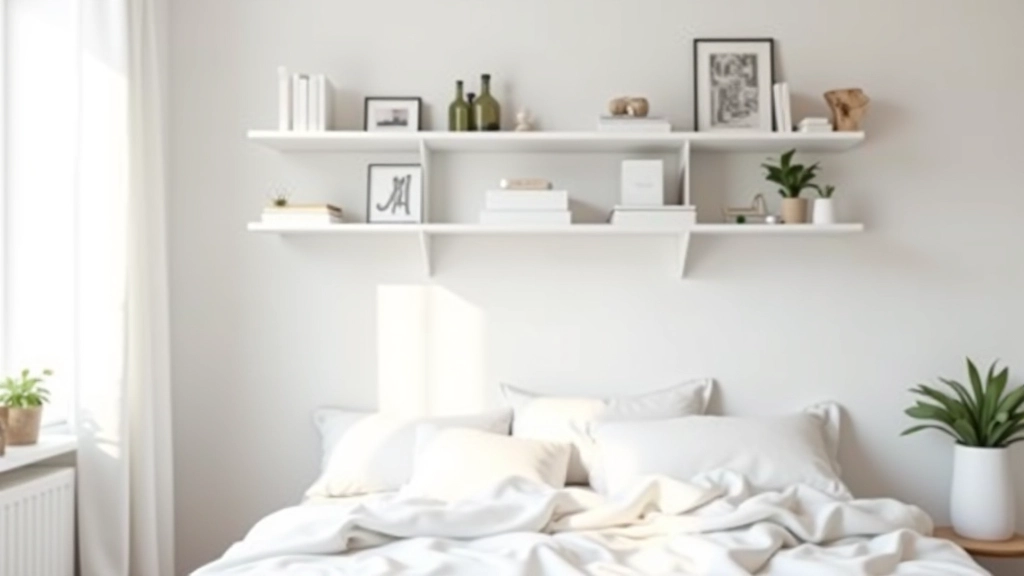
Making Modular Work in Practice
You've picked a system. Now comes the real question: how do you actually use it effectively?
Start Small, Expand Later
Don't buy your entire storage system at once. Purchase a basic unit (say, 4 cubes or one shelving frame) and live with it for 2-3 weeks. See what works, what doesn't, where you actually store things. Then add more pieces. This approach costs less upfront and lets you avoid expensive mistakes.
Anchor Tall Configurations
If you're stacking cubes beyond 120 cm height or assembling a shelving unit taller than 150 cm, secure it to the wall. Most modular systems include brackets for this. It's a 10-minute job with a drill and takes genuine safety concerns off the table.
Real Organization Strategies
Modular systems give you flexibility, but you still need a strategy for what goes where.
Vertical Zones by Category
Divide your shelving into zones: top shelf for items you access monthly, middle shelves for weekly use, lower areas for daily items. This isn't arbitrary—it matches how people naturally reach and grab things. Heavy items go lower (safer anyway), lightweight decorative pieces go high.
One shelf might hold all your books. Another holds seasonal decorations in labeled boxes. A third displays everyday kitchen items. Each zone has its purpose, and that clarity makes the whole system feel organized.
Matching Container Sizes
If your cubes are 33×33 cm, find containers that fit that dimension. Standard plastic storage boxes come in sizes that match common cube dimensions. When containers fit perfectly, you maximize space and the visual appearance stays clean and intentional.
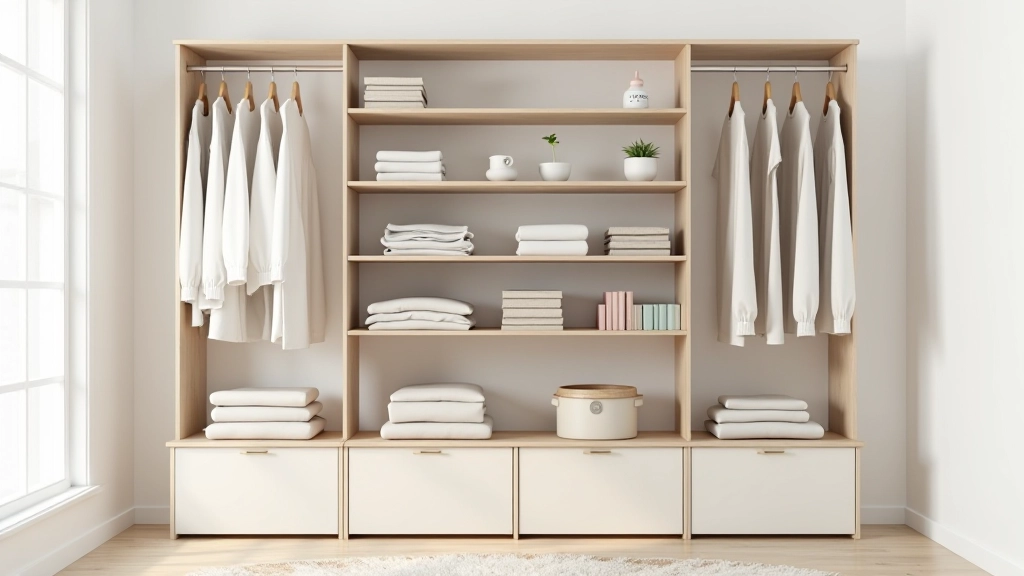

Explore More Storage Solutions
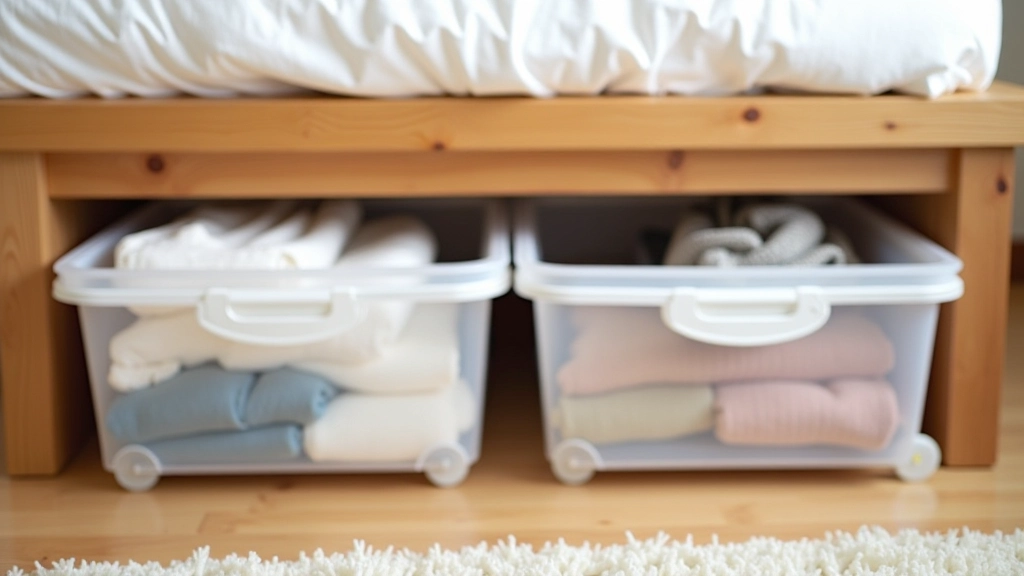
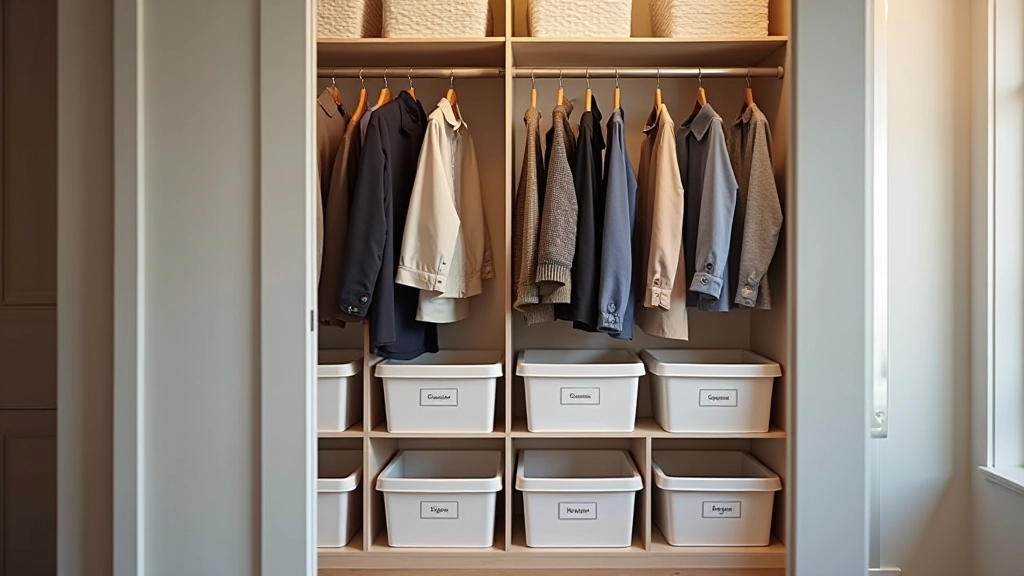
Modular Furniture Is About Possibility
The real benefit of modular systems isn't that they're trendy or look nice (though they often do). It's that they're flexible. Your needs change. Your apartment layout might feel cramped in winter and spacious in summer. You might move to a new place and need everything to fit a different layout. Modular furniture adapts.
Start with one basic unit, understand how you actually use storage, then build from there. You'll end up with a system that's genuinely yours—not something you forced into your space, but something that evolved with your needs.